Your dog doesn't need much to feel at home. But what they do need matters more than you might think.
Familiar scent is everything
Before anything else, bring something that smells like home. A blanket from their crate. Your worn t-shirt. The toy they've been chewing all week.
Dogs navigate the world through scent first. A familiar smell in an unfamiliar place tells them they're still connected to something safe. It's an anchor.
A clear place to rest
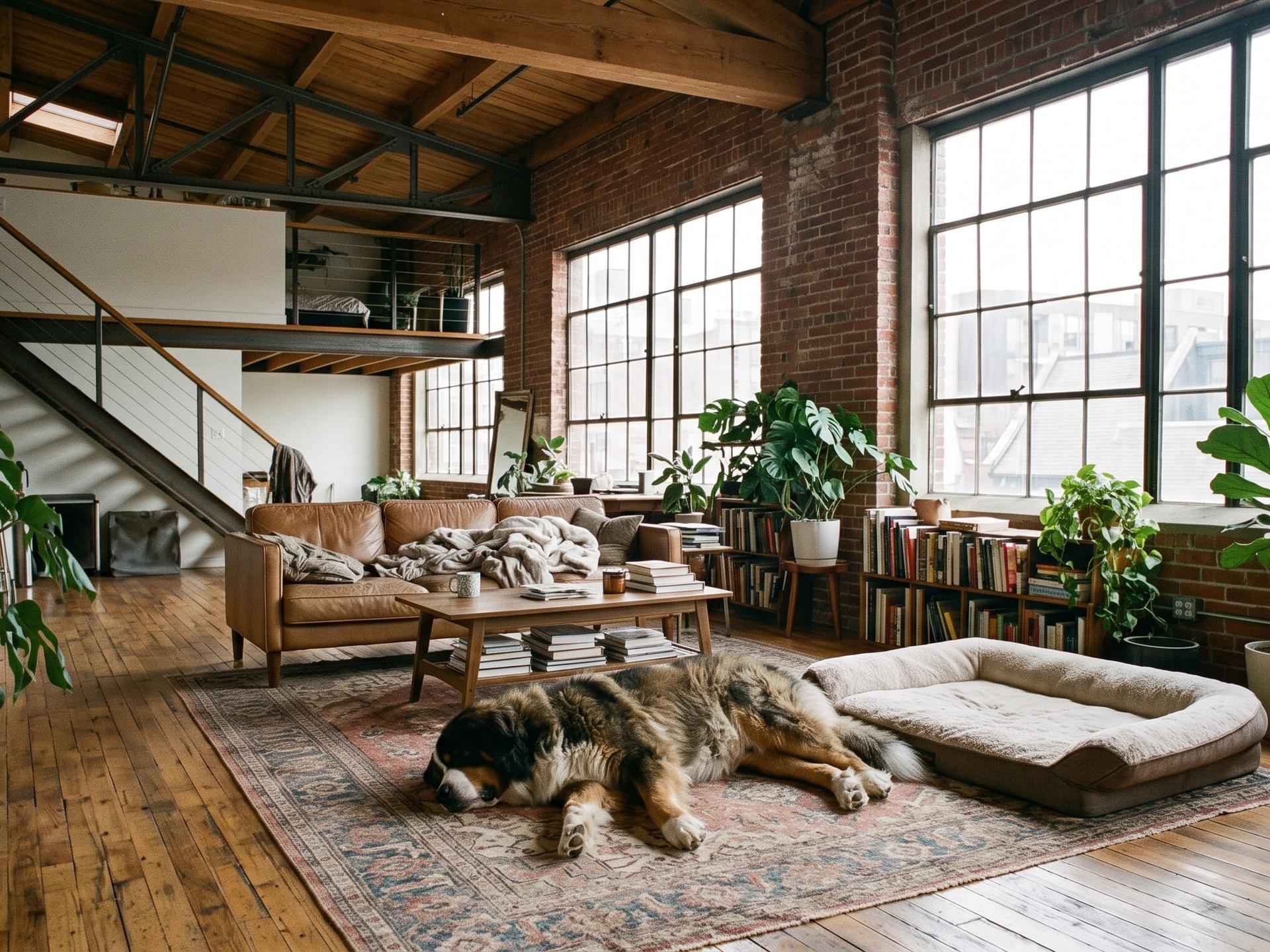
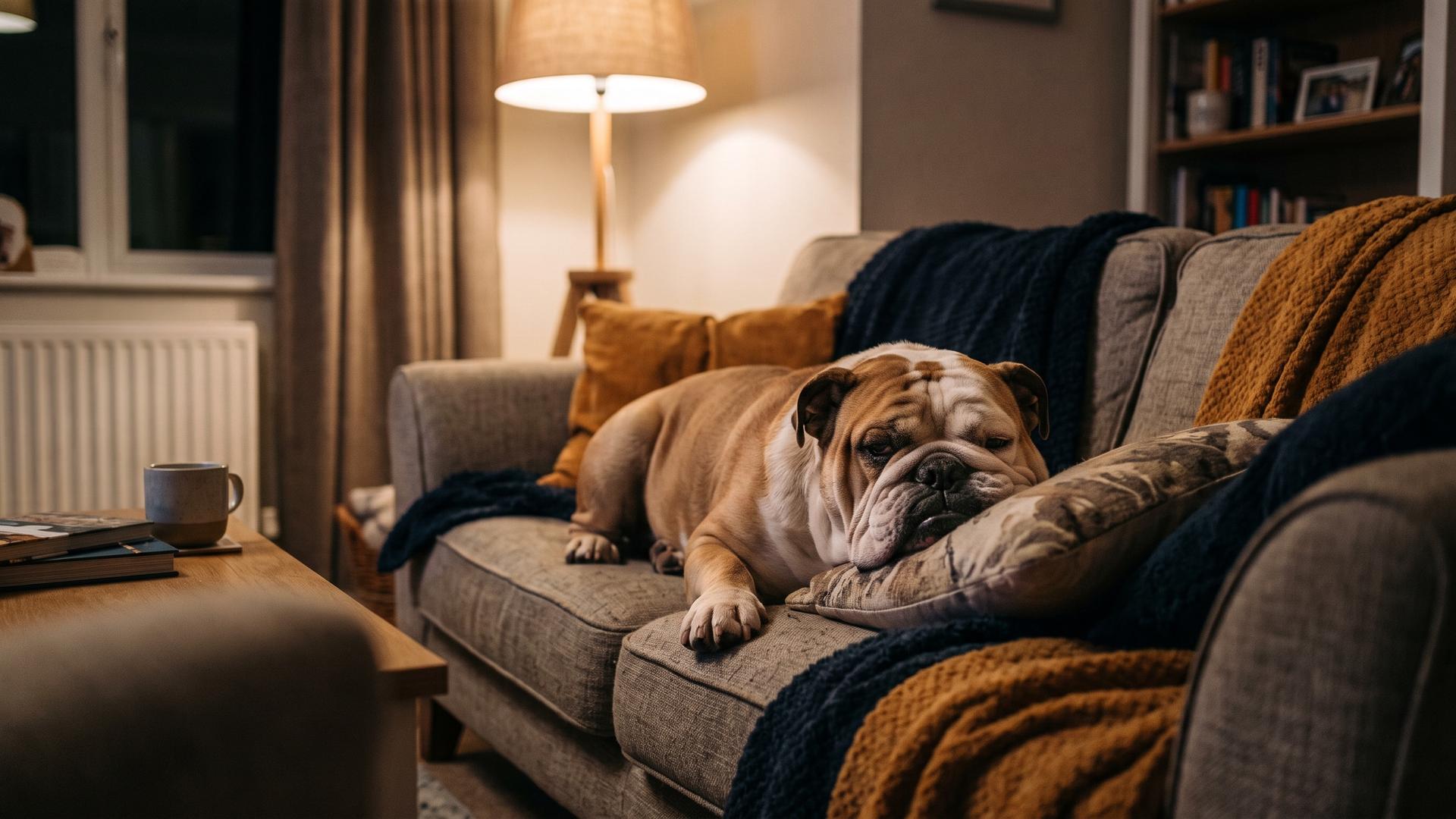
Dogs settle faster when they know where they're supposed to be. Set up a designated spot - a bed, a crate, a mat - somewhere quiet and out of the main flow of activity.
This isn't about confinement. It's about giving them a home base. Somewhere they can retreat when the newness feels like too much.
Predictable routine
Feed them at the same time you always do. Walk them on a similar schedule. Use the same cues and commands.
Routine creates structure, and structure creates calm. Even if the environment has changed, the rhythm of their day doesn't have to.
Time to observe
Let them watch before they engage. Some dogs walk into a new space and immediately explore. Others need to sit back and take it in first.
Both are fine. Resist the urge to coax or encourage. Just let them move at their own pace.
Your energy
Your dog is reading you. If you're anxious about how they'll adjust, they'll pick up on it. If you're calm and confident, they'll mirror that too.
You don't need to perform. Just be steady. Move through the space like it's already familiar. They'll follow your lead.
What they don't need
They don't need every toy they own. They don't need constant reassurance or hovering. They don't need you to narrate what's happening or over-explain the new environment.
Less is often more. A calm presence, a familiar item, and a clear spot to rest will do more than a dozen distractions.
Give it a day
Most dogs need 24 to 48 hours to truly settle into a new space. The first few hours might feel uncertain. That's normal.
Some will curl up and sleep right away. Others will pace, sniff every corner, or stay close to you. All of it is part of the process.
What comfort really looks like
A comfortable dog isn't necessarily a quiet one. Comfort looks like a dog who can rest without vigilance. Who explores without anxiety. Who responds to you instead of scanning for threats.
It's not about instant relaxation. It's about gradual trust.
You're not asking them to love the new space immediately. You're just giving them what they need to feel safe enough to start adjusting.
That's all it takes.