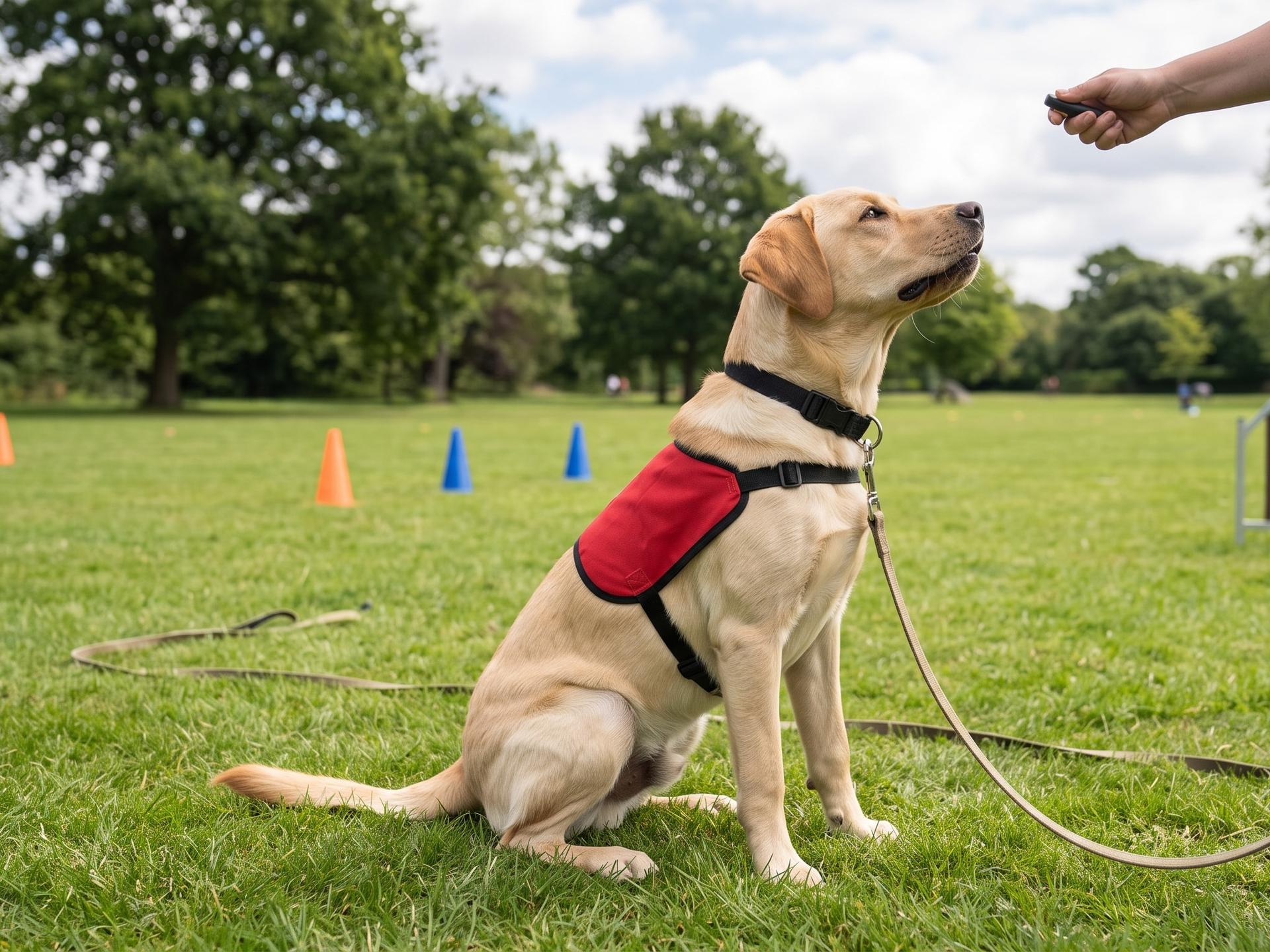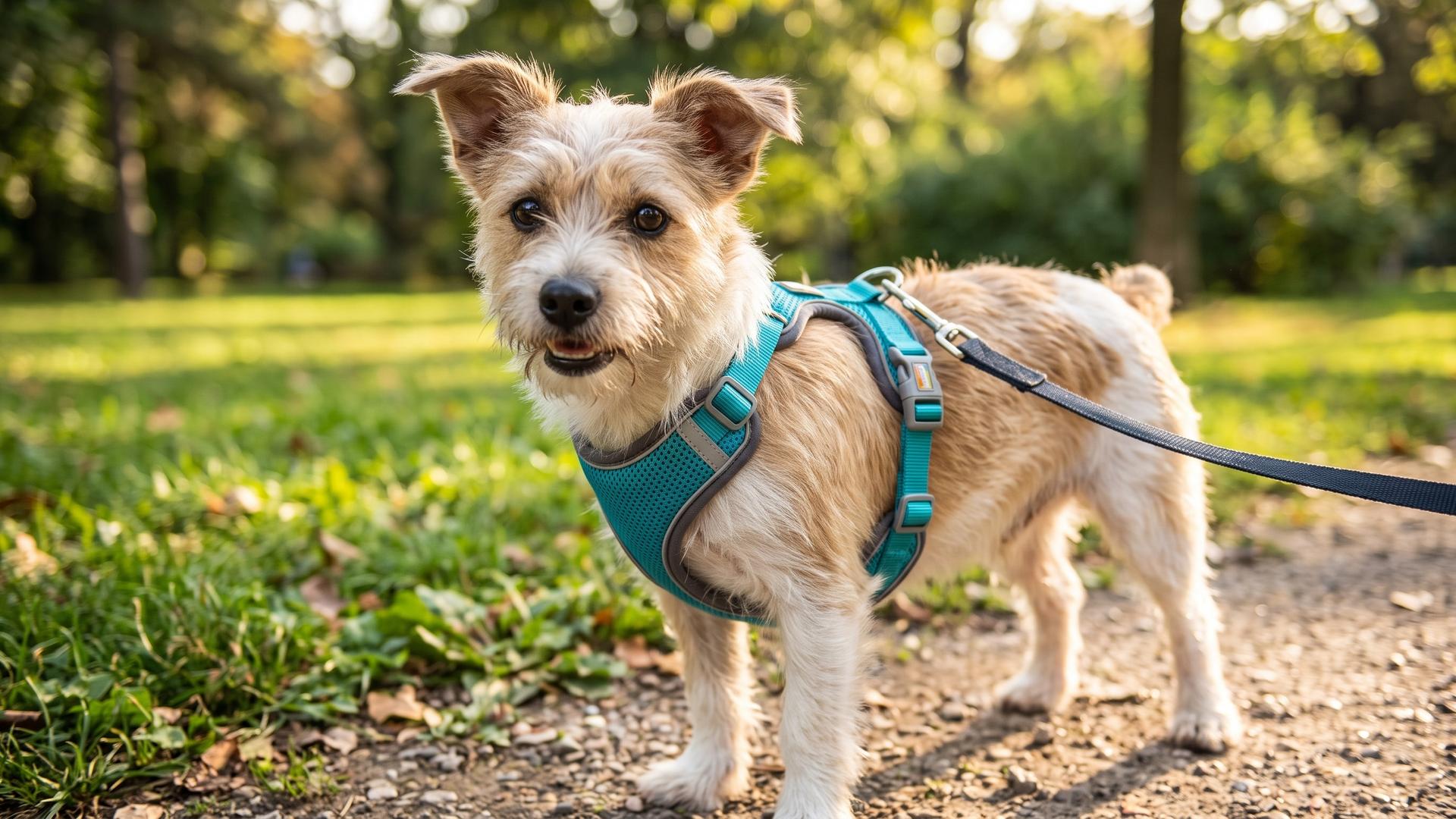
A harness that fits well keeps your dog comfortable and gives you better control on walks. Too loose, and they can slip out. Too tight, and it rubs or restricts movement.
Here's how to get it right.
What You'll Need
A soft measuring tape. The kind used for sewing works best.
If you don't have one, use a piece of string and measure it against a ruler afterward.
Where to Measure
You need two measurements:
Chest girth: Measure around the widest part of your dog's ribcage, right behind their front legs. This is usually a few inches back from the armpits.
Neck girth: Measure around the base of the neck, where a collar would naturally sit.
Keep the tape snug but not tight. You should be able to slide two fingers underneath.
Write It Down
Don't rely on memory. Jot the numbers down before you start shopping.
If your dog falls between sizes, go up. You can always adjust straps. You can't add room to a harness that's too small.
How a Harness Should Fit
Once it's on, check these points:
The chest strap should sit flat against the ribcage without digging in. You should be able to fit two fingers between the strap and your dog's body.
The neck opening should rest comfortably at the base of the neck—not riding up toward the throat or sliding down toward the shoulders.
The back strap should lie flat along the spine. If it's twisting or sitting off to one side, the fit isn't right.
Leg straps (if your harness has them) shouldn't rub the armpits or restrict your dog's stride. Watch your dog walk a few steps. Their gait should look natural.
Check After Every Adjustment
Harnesses have multiple points of adjustment for a reason. Don't assume it's right just because you clipped it on.
Tighten or loosen each strap incrementally. Then step back and look at how it sits on their body.
If something looks crooked or bunched, keep adjusting.
When to Remeasure
Puppies grow fast. Remeasure every few weeks until they're full-grown.
For adult dogs, check the fit if they gain or lose weight, or if you notice rubbing, chafing, or a change in how they move on leash.
Even a well-fitted harness can shift over time as straps stretch or settle.
A Note on Styles
Different harness styles fit differently. A back-clip harness distributes pressure differently than a front-clip or dual-clip.
If you're switching styles, don't assume the same size will work. Measure again and recheck the fit.
Red Flags
If you see any of these, the harness doesn't fit:
- Hair loss or redness under the straps
- Your dog freezing or walking strangely when the harness goes on
- The harness sliding around while walking
- You can't fit two fingers under any strap, or you can fit your whole hand
A harness should feel like nothing once it's on. Your dog shouldn't notice it.
The Bottom Line
Measuring takes two minutes. A good fit makes every walk better. Take the time to get it right the first time, and you won't have to think about it again.