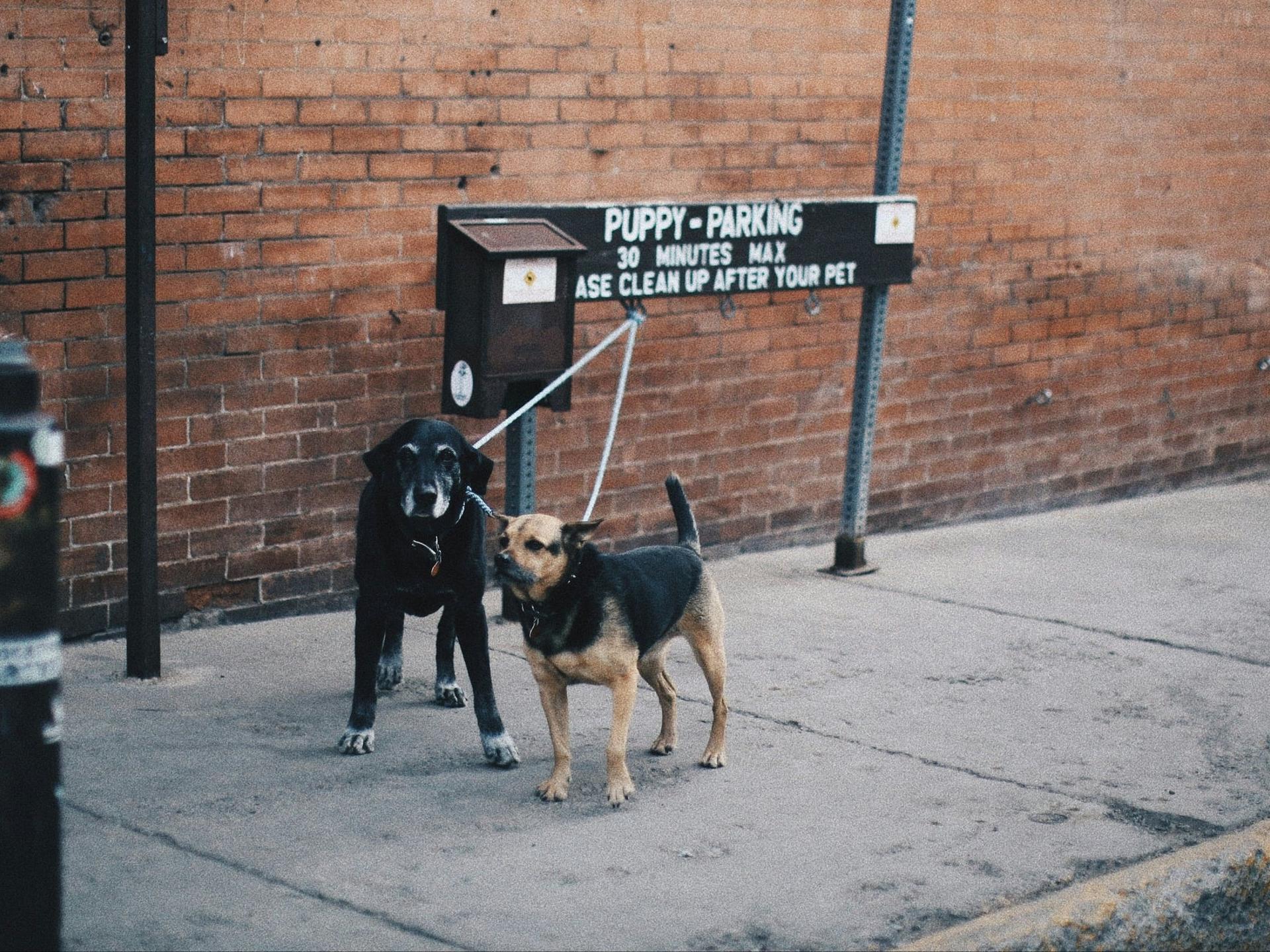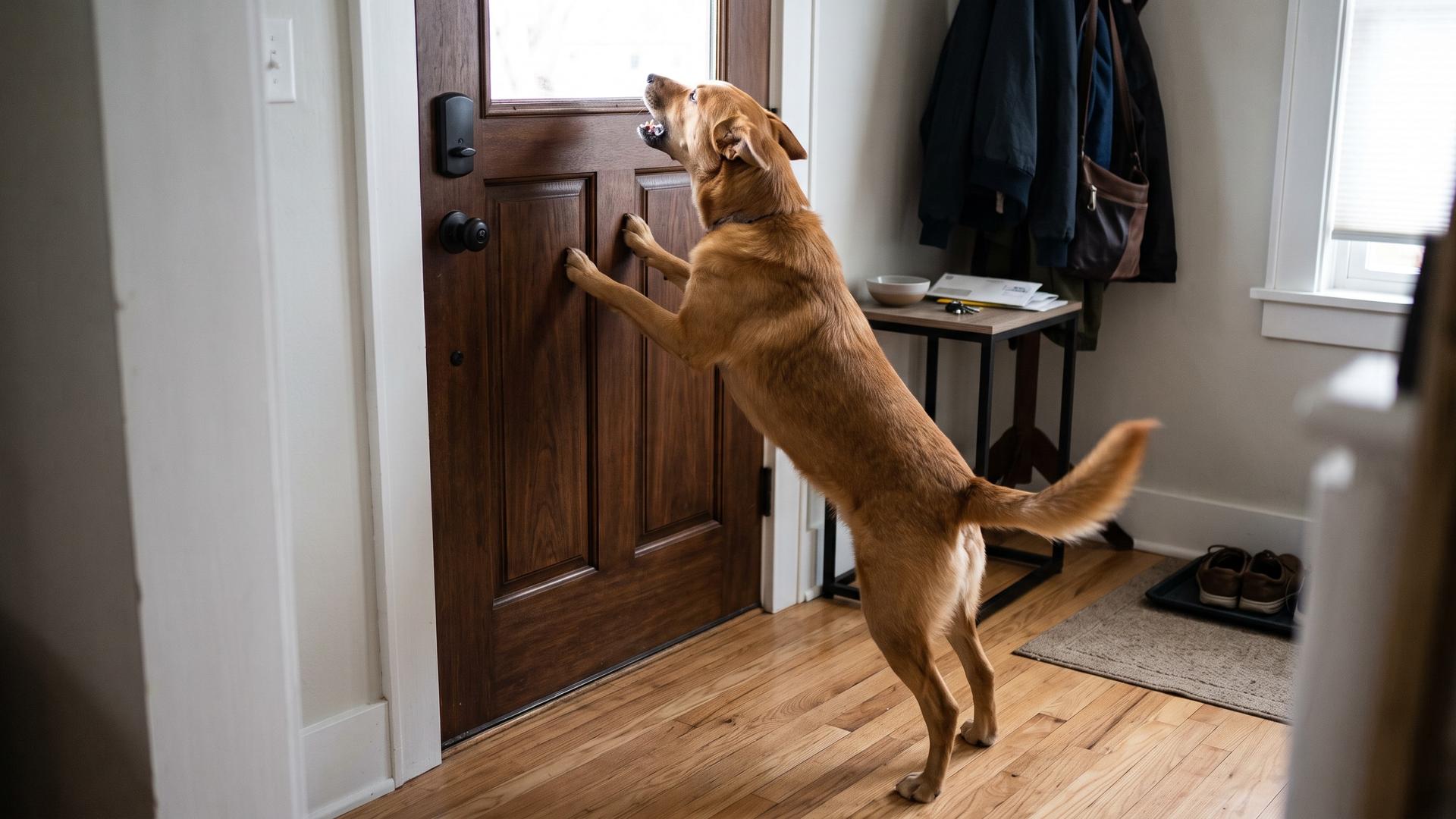
Let’s get this out of the way first: barking is normal. Dogs bark to communicate, alert us, express excitement or simply just say, “Hey, something’s happening”.
The problem starts when barking turns into constant, excessive or totally unnecessary noise, the kind that makes you apologize to your neighbors before they even complain.
The good news? Unwanted barking can absolutely be corrected with patience, consistency and the right approach. Here’s exactly how…
Step One: Figure Out the “Why”
Before you try to stop the barking, you need to understand what’s causing it. Most unwanted barking falls into a few common categories such as:
- Boredom barking: Caused by excess energy and lack of stimulation.
- Alert barking: Triggered by sounds or movement outside the home.
- Anxiety barking: Often happens when dogs are left alone.
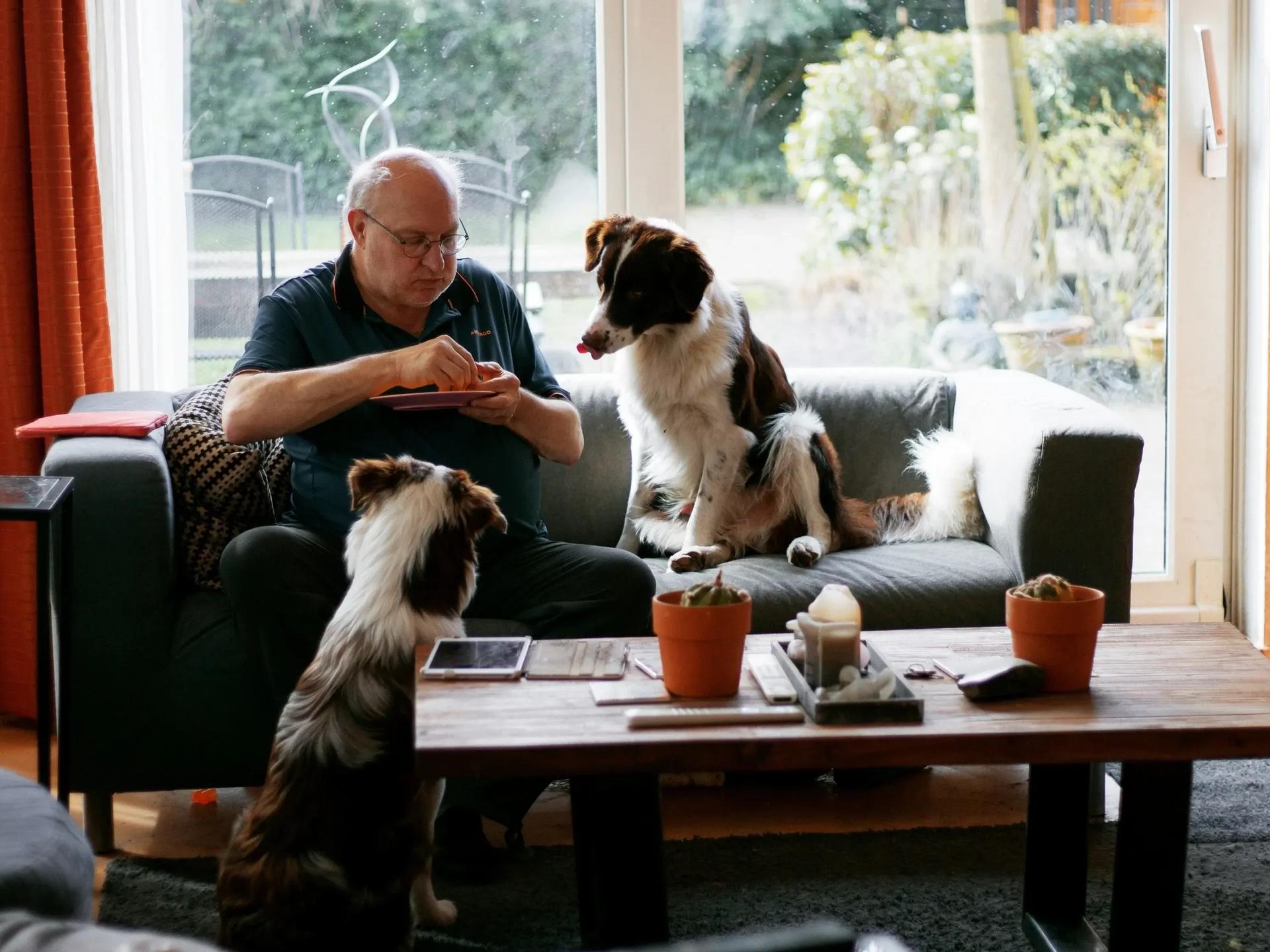
- Demand barking: Happens when barking consistently gets attention or rewards.
Once you know why your dog is barking, it’s much easier to choose a solution that actually sticks.
Step Two: Meet Their Needs First
A tired dog is a quieter dog. Daily exercise, mental stimulation and enrichment go a long way in reducing barking caused by boredom or pent-up energy.
Puzzle feeders, slow feeders and interactive toys from Eva can turn mealtime into a brain workout, which helps burn energy without needing an extra-long walk.
Mental stimulation is just as important as physical exercise.
Step Three: Don’t Reward the Barking (Even Accidentally)
It’s tempting to yell “quiet” or rush over when your dog starts barking, but attention, even negative attention, can reinforce the behavior.
If your dog barks for attention, wait for a moment of calm before responding. Calm behavior should always get the reward, not the barking itself.
Step Four: Teach a Calm Alternative
Rather than just trying to stop barking, teach your dog what to do instead. This could be:
- Going to their bed,
- Sitting calmly,
- Engaging with a toy.
Reward the calm behavior immediately. Over time, your dog learns that being quiet gets results faster than barking ever did.
Step Five: Create a Calm Environment
Sometimes barking is triggered by overstimulation.
Blocking visual triggers like windows, creating a cozy resting area or using elevated food and water bowls during meals can help establish structure and calm routines.
Thoughtfully designed essentials from Eva help make everyday moments, from meals to downtime, feel more grounded and intentional for your dog.
Patience Makes the Difference
Barking habits don’t disappear overnight. Consistency matters more than perfection. Small improvements are still wins, and setbacks are completely normal.
If you’re feeling stuck, remember that you’re not alone and you don’t have to figure it all out yourself.
Learn More With Eva Pet
At Eva, we believe training should be rooted in trust, care and understanding, never fear or shortcuts.
If you want more tips on behavior, routines and raising a happier dog, make sure to visit our blog section for more helpful reads.
Because when it comes to your dog, you’re never wrong for wanting to do the right thing!