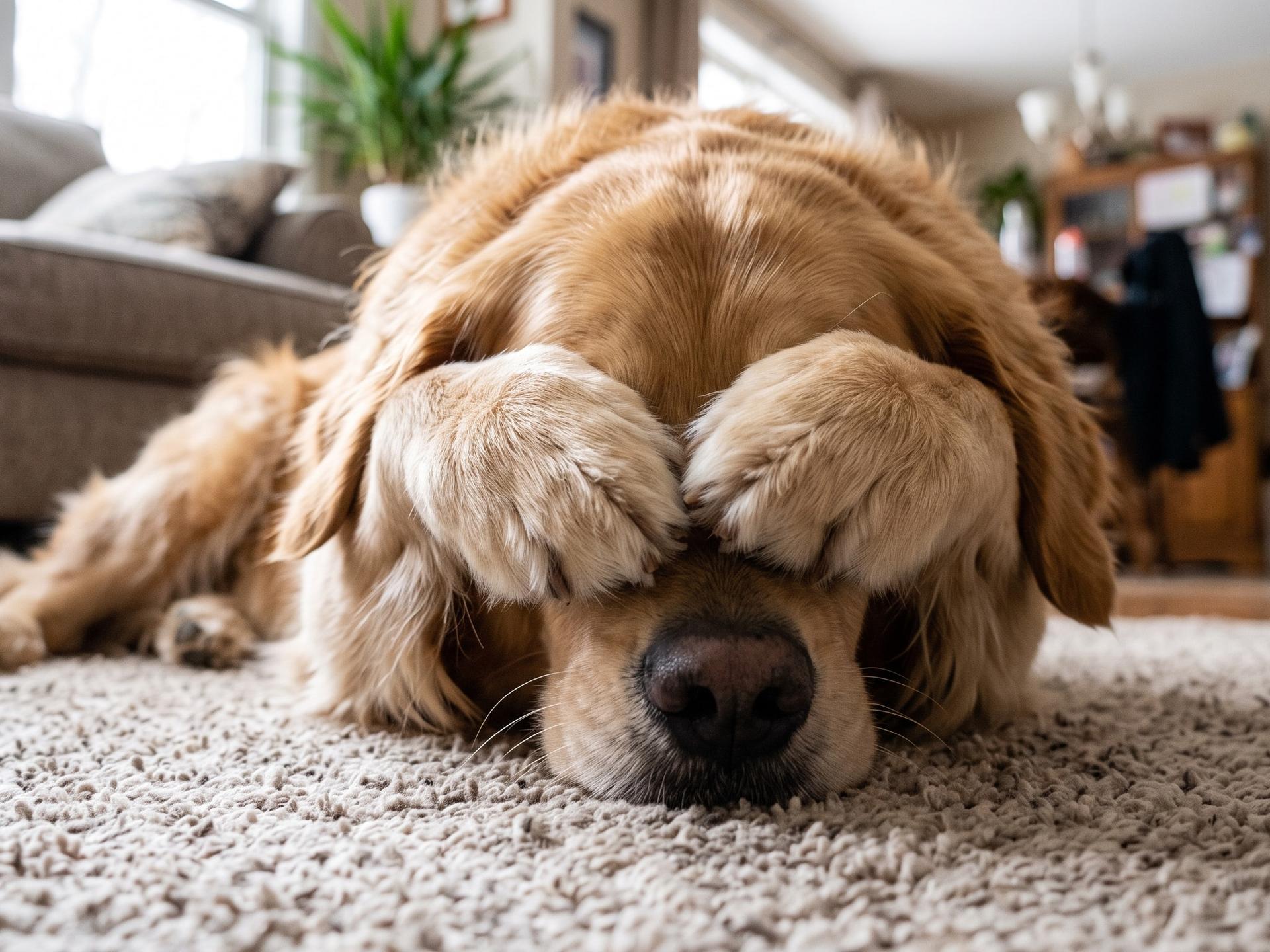
Bringing a puppy into your home is exciting, but it also comes with a new responsibility: seeing your space through puppy eyes.
Puppies explore the world with their mouths, paws and endless curiosity. Puppy proofing is an important step that helps keep them safe while giving you peace of mind during those early months of discovery.
We’ve created this guide to walk you through the key areas to focus on, common household risks to watch for and simple steps you can take to create a safe, puppy-friendly home from day one.
Why Puppy Proofing Matters
Puppies don’t know what’s dangerous and what isn’t.
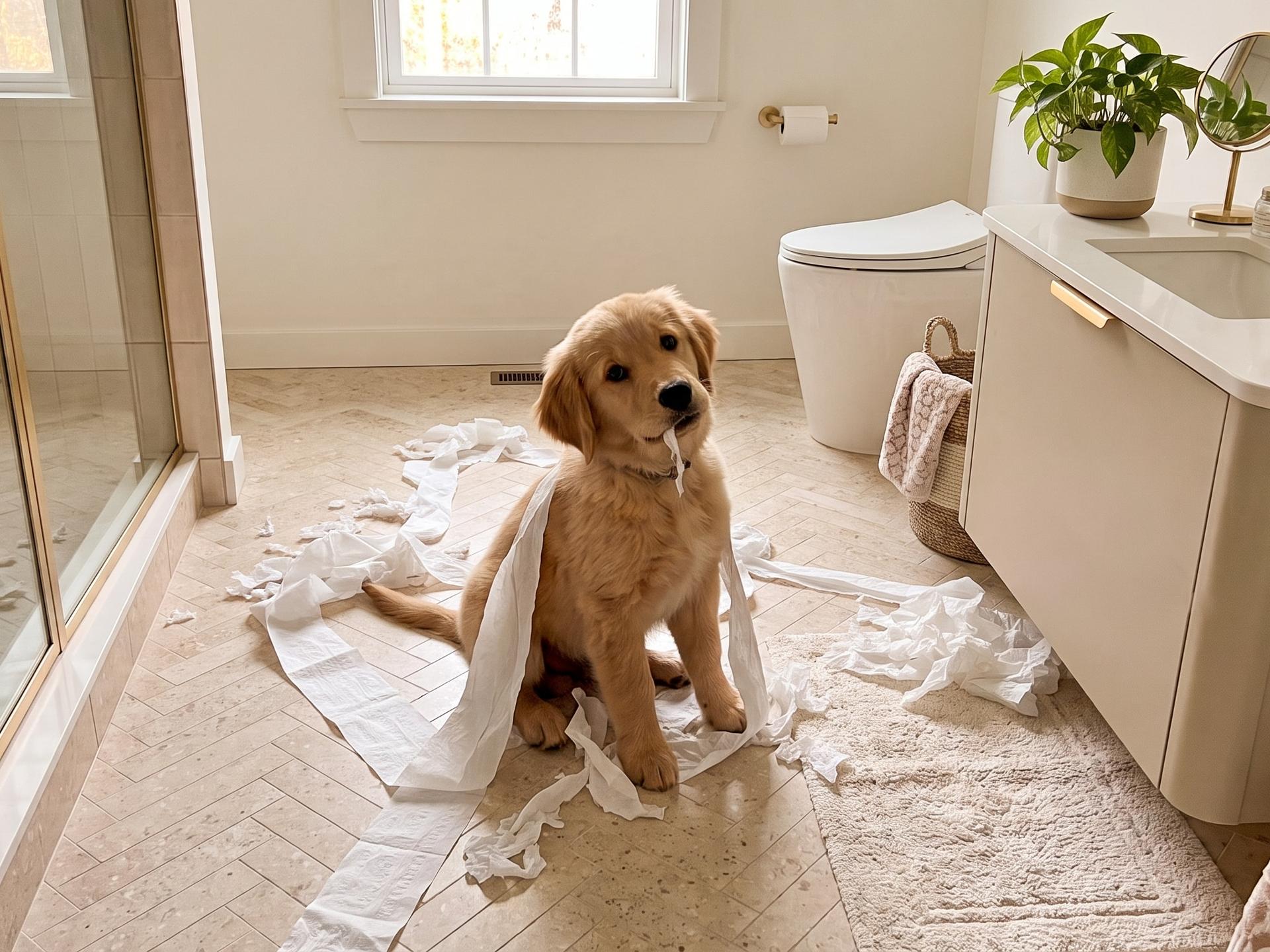
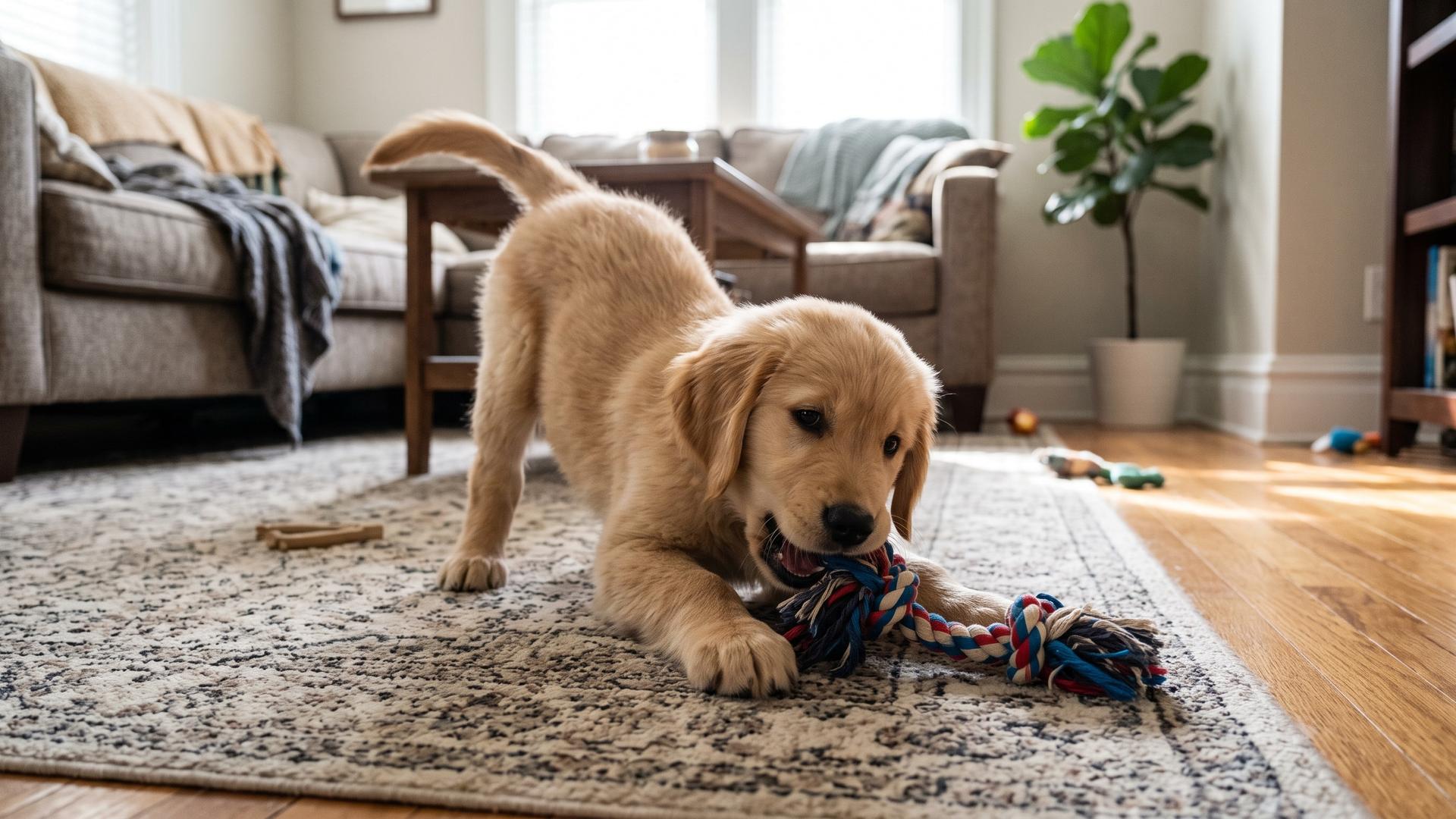
Electrical cords look like chew toys, shoes feel fun to tug and anything small enough can quickly end up in their mouth.
Puppy proofing isn’t about perfection. It’s about reducing risks, preventing accidents and creating an environment where your puppy can learn safely.
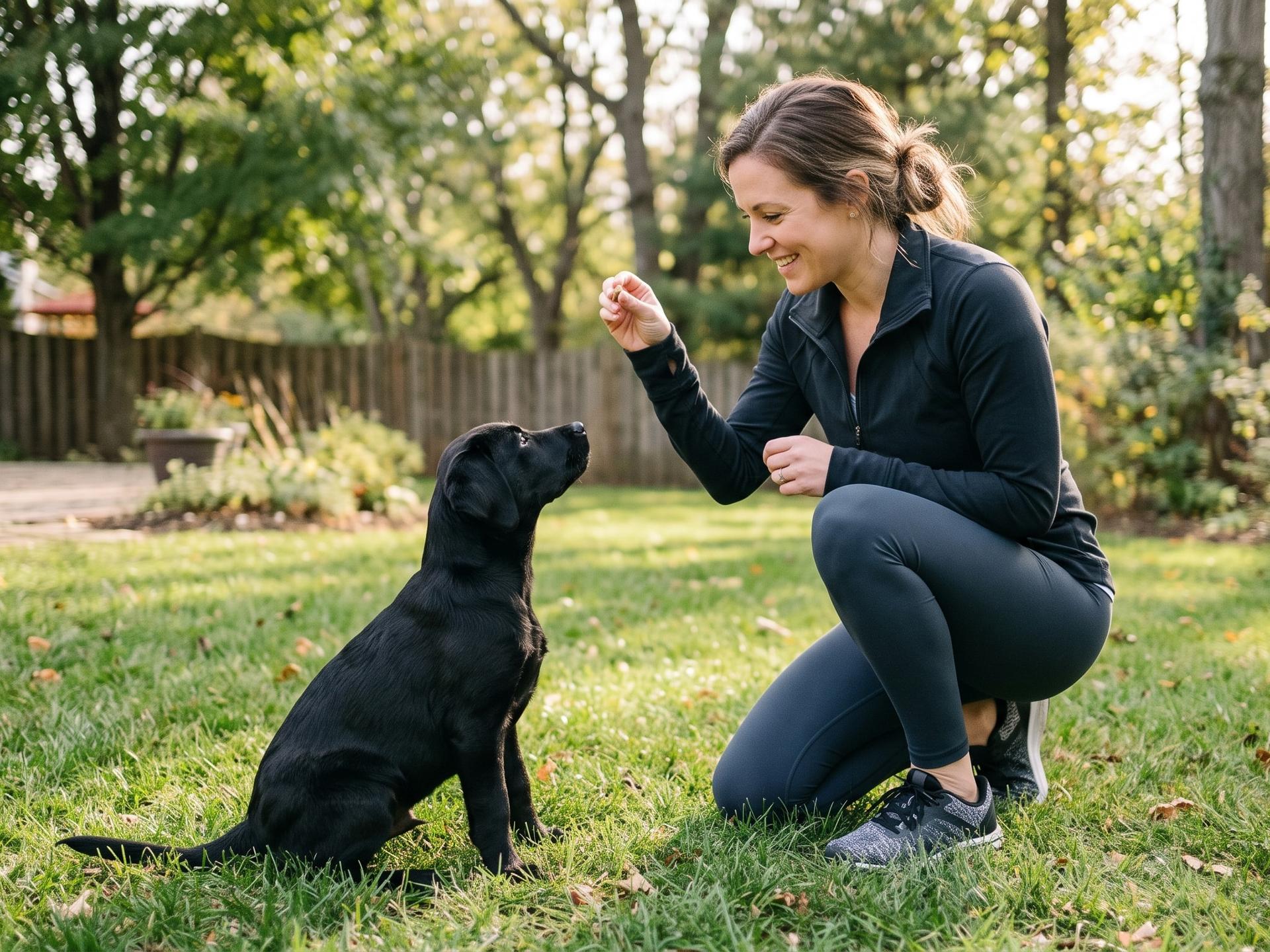
Using products like training toys or interactive treat puzzles can also help redirect their curiosity away from household items and toward positive, engaging activities.
Rooms to Focus on First
Start with the areas your puppy will spend the most time in.
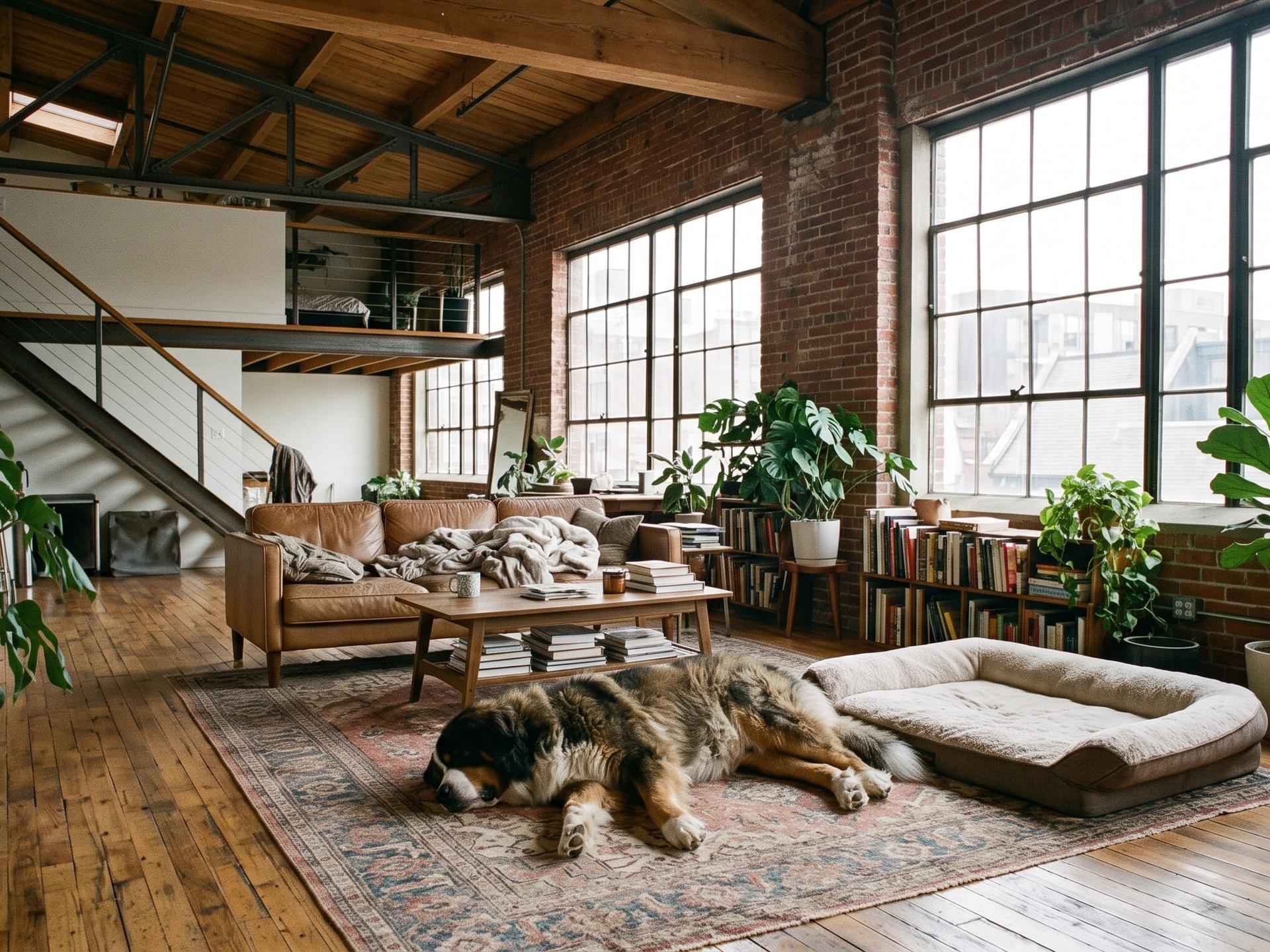
Living rooms often have cords, remotes and decorative items that are easy to grab. Kitchens and bathrooms should be off-limits at first, as they contain cleaning products, trash and food that can be harmful. Bedrooms may also need attention, especially if shoes, chargers or medications are within reach.
Common Household Hazards
Some everyday items can pose real risks to puppies.
Electrical cords, houseplants, small objects, medications, cleaning supplies and trash should all be secured or moved out of reach. Even items like rugs can be an issue if your puppy likes to chew or tug.
Taking a slow walk through your home at puppy height can help you spot hazards you might otherwise miss.
Furniture and Decor to Watch Out For
Unstable furniture, sharp corners and breakable decor are worth checking early on.
Puppies may bump into tables, chew on chair legs or knock over lightweight items. Using corner guards, securing tall furniture and choosing durable decor can help prevent injuries and damage.
It’s also helpful to temporarily remove anything sentimental or fragile until your puppy learns boundaries.
Creating a Safe Puppy Zone
One of the best things you can do is create a designated puppy-safe area.
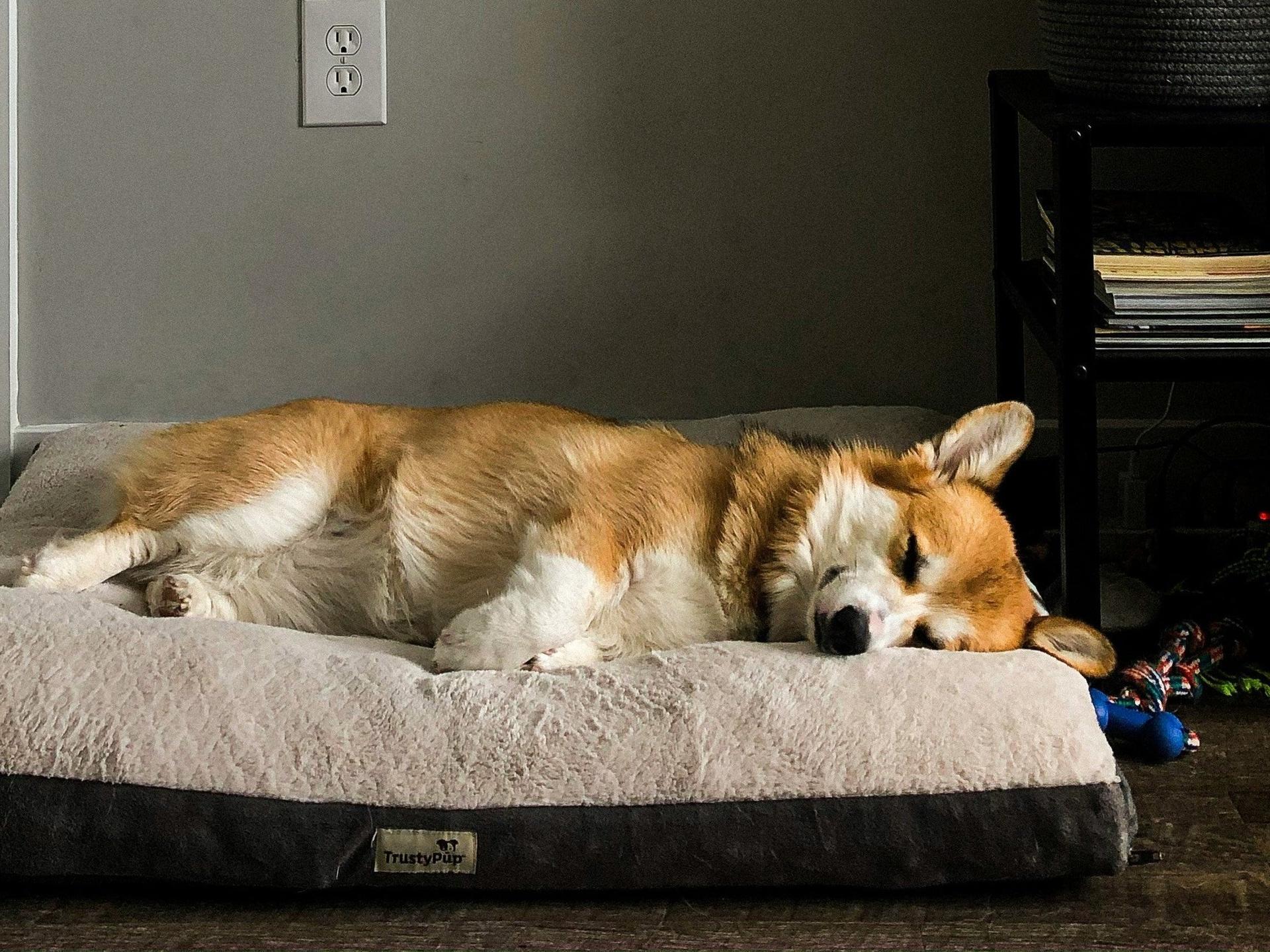
This could be a dog crate, playpen, gated room or section of your living space. Include a comfortable bed, water, toys, training aids and space to move around. A safe zone gives your puppy freedom without constant supervision and helps with rest, routine and early training.
If you’re wanting to learn more about recognizing and easing stress for your new puppy, read our blog, How Dogs Show Stress (and How You Can Help Calm Them).
Puppy Proof Your Home With Eva
At Eva, we believe a safe home is the foundation for a happy puppy. From cozy beds and durable essentials to thoughtfully designed products that support comfort and calm, we help you prepare your space with confidence.
Shop our puppy essentials and prepare your home with peace of mind, the Eva way!