Why Crate Training Matters
Most new dog parents resist crate training at first. It feels restrictive. Maybe even a little cruel.
But that resistance usually comes from projecting human feelings onto a dog's natural instincts. Once you understand what a crate actually is and what it isn't, the whole practice starts to make more sense.
What a crate actually is
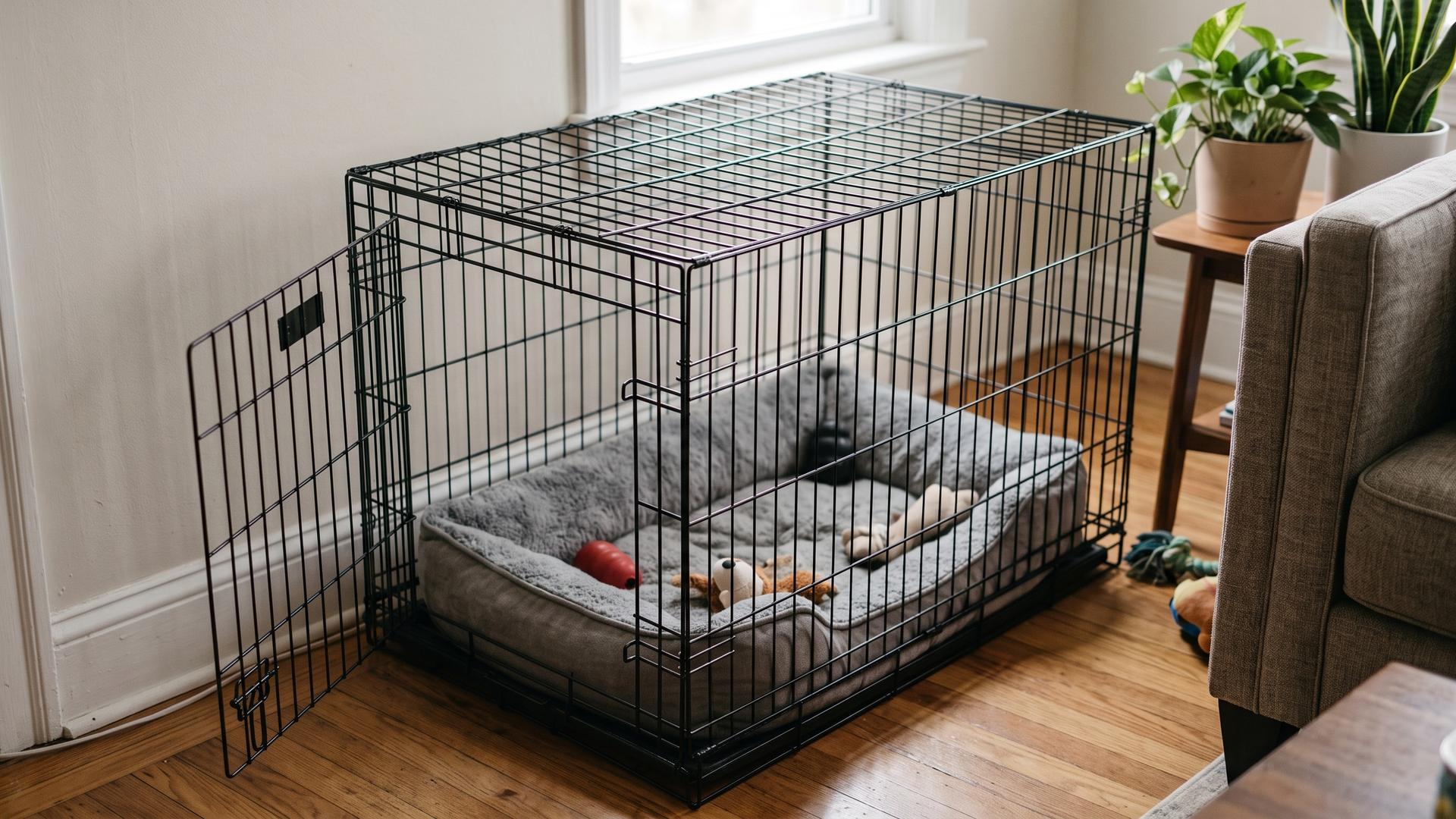
A crate isn't a cage. It's a den.
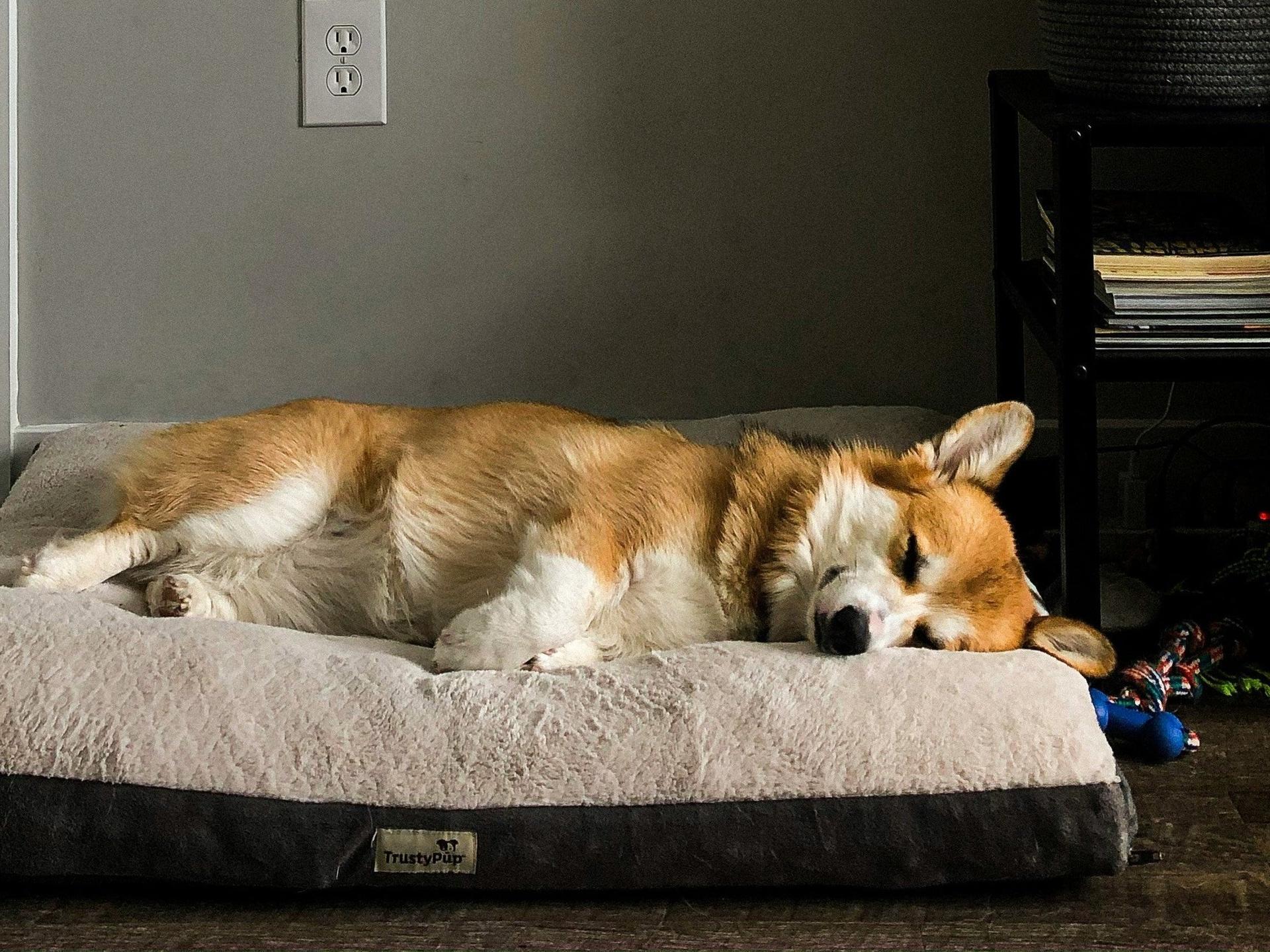
Dogs are denning animals. In the wild, they seek out small, enclosed spaces for rest and safety. Even in domestic settings, you'll notice dogs naturally gravitating toward corners, under tables, or behind furniture when they need to decompress.
A properly introduced crate becomes that designated space. Not a place of punishment or isolation, but a retreat. The one place in your home that always means rest, safety, and calm.
The goal isn't confinement. It's teaching your puppy how to self-regulate.
Why that matters
Housetraining happens faster. Puppies instinctively avoid soiling their sleeping area. A crate uses that instinct to help them develop bladder control naturally. This doesn't mean leaving them in there for hours. It means using the crate strategically, especially overnight and during times when you can't watch them closely.
Destructive behavior decreases. Puppies chew when they're bored, anxious, or teething. A crate prevents them from destroying furniture or swallowing something dangerous when you can't supervise. You can't watch them every second. The crate fills that gap.
Separation anxiety becomes more manageable. A crate teaches your puppy that being alone is safe. That you leaving the room doesn't mean danger. That they can settle on their own. This foundation matters more than most people realize.
Travel and emergencies become less stressful. At some point, your dog will need to be in a confined space. A car ride. A vet visit. Boarding. A dog who's already comfortable in a crate handles these moments with far less fear.
What it actually looks like during training
Here's the part most guides skip: your puppy will probably cry.
They'll whine. They'll bark. They'll paw at the door. And you'll stand on the other side wondering if you're doing the right thing.
That's normal. For both of you.
Your puppy is learning something new. They're testing boundaries. They're communicating the only way they know how. And you're figuring out whether what you're hearing is protest or distress.
Protest sounds like: intermittent whining, some barking, pawing at the crate, then pauses. Your puppy wants out because they want to be with you, not because they're in danger.
Distress sounds like: continuous, escalating panic. No breaks. Frantic. This means something is actually wrong — they need to go to the bathroom, the crate is too small, or they're genuinely frightened.
Most of what you'll hear is protest. And protest is part of the process.
How to manage your own feelings
The guilt is real.
You'll question whether you're being cruel. Whether this is worth it. Whether your puppy will hate you.
They won't.
What helps: remind yourself that you're teaching a skill, not inflicting harm. Your puppy is safe, fed, and comfortable. The discomfort they're feeling is temporary. The security you're building is permanent.
You're not abandoning them. You're giving them the tools to be alone without panic.
What to do when they cry.
Don't rush back in the moment they start. If you do, you're teaching them that crying gets them out. You're reinforcing the exact behavior you're trying to change.
Return when they're quiet. Even if it's just for a few seconds. You're showing them that calm gets rewarded.
If the crying doesn't stop after 10-15 minutes, reassess. They might need a bathroom break. You might be moving too fast. Trust your instincts.
How long this phase lasts.
If you're consistent, most puppies adjust within a week or two.
The first few nights are the hardest. Then it starts to click. They realize the crate means rest. That you always come back. That this is their space.
The whining decreases. The settling happens faster. And eventually, they go in on their own.
What happens when you skip it
Dogs who aren't crate trained often struggle with boundaries. They don't have a built-in off switch. They follow you everywhere, unable to settle on their own. They panic when left alone. They destroy things out of anxiety or boredom.
These aren't bad dogs. They're dogs who never learned how to feel secure in their own space.
What this looks like long-term
A crate-trained dog knows where to go when they're overstimulated. When the house gets loud. When they're tired but don't know how to settle.
They have a retreat that's entirely theirs.
That's not restriction. That's security.
And in puppyhood, when everything is new, overwhelming, and exhausting, security is exactly what they need.
The hard part is temporary. The foundation you're building lasts their entire life.