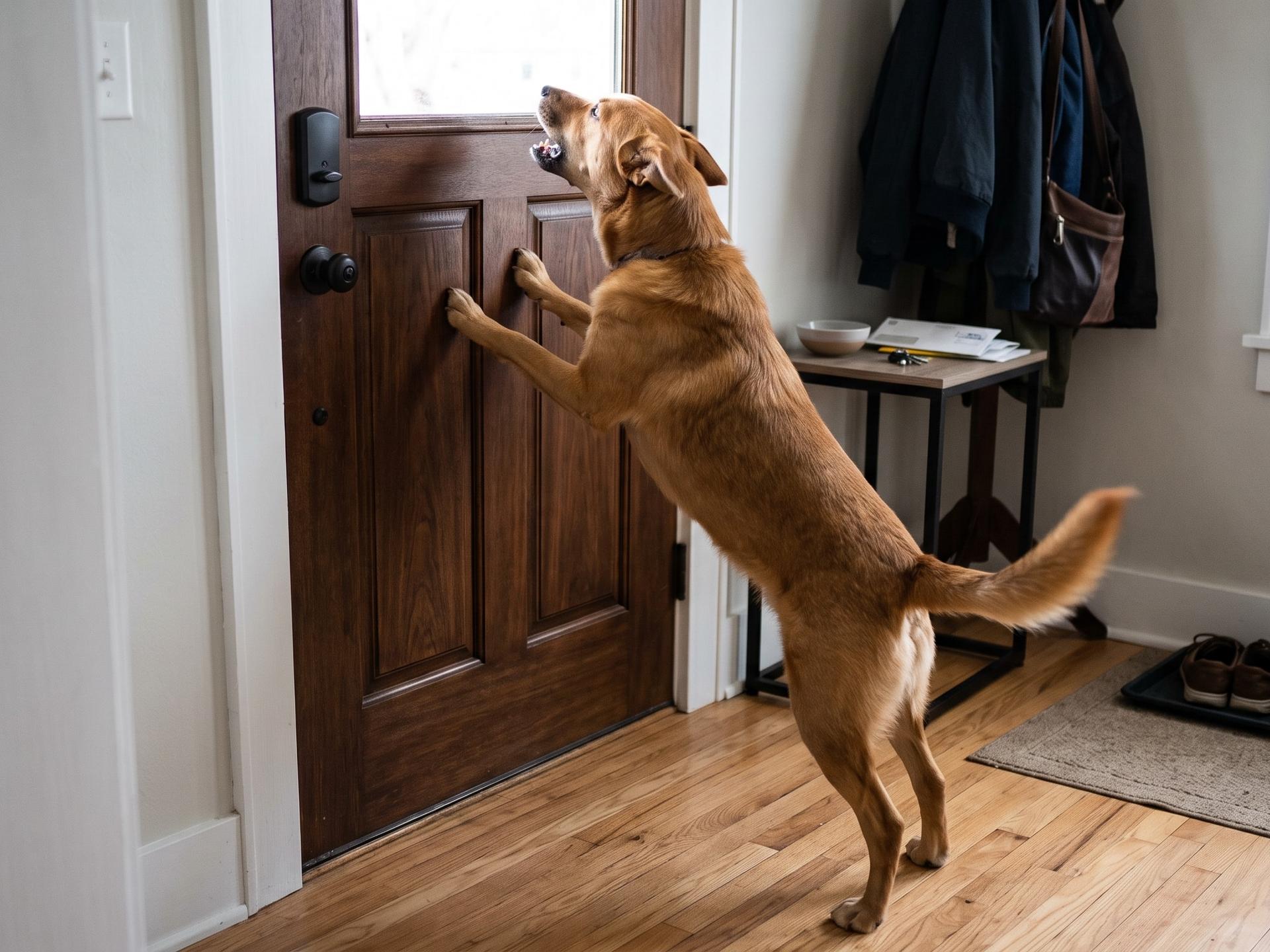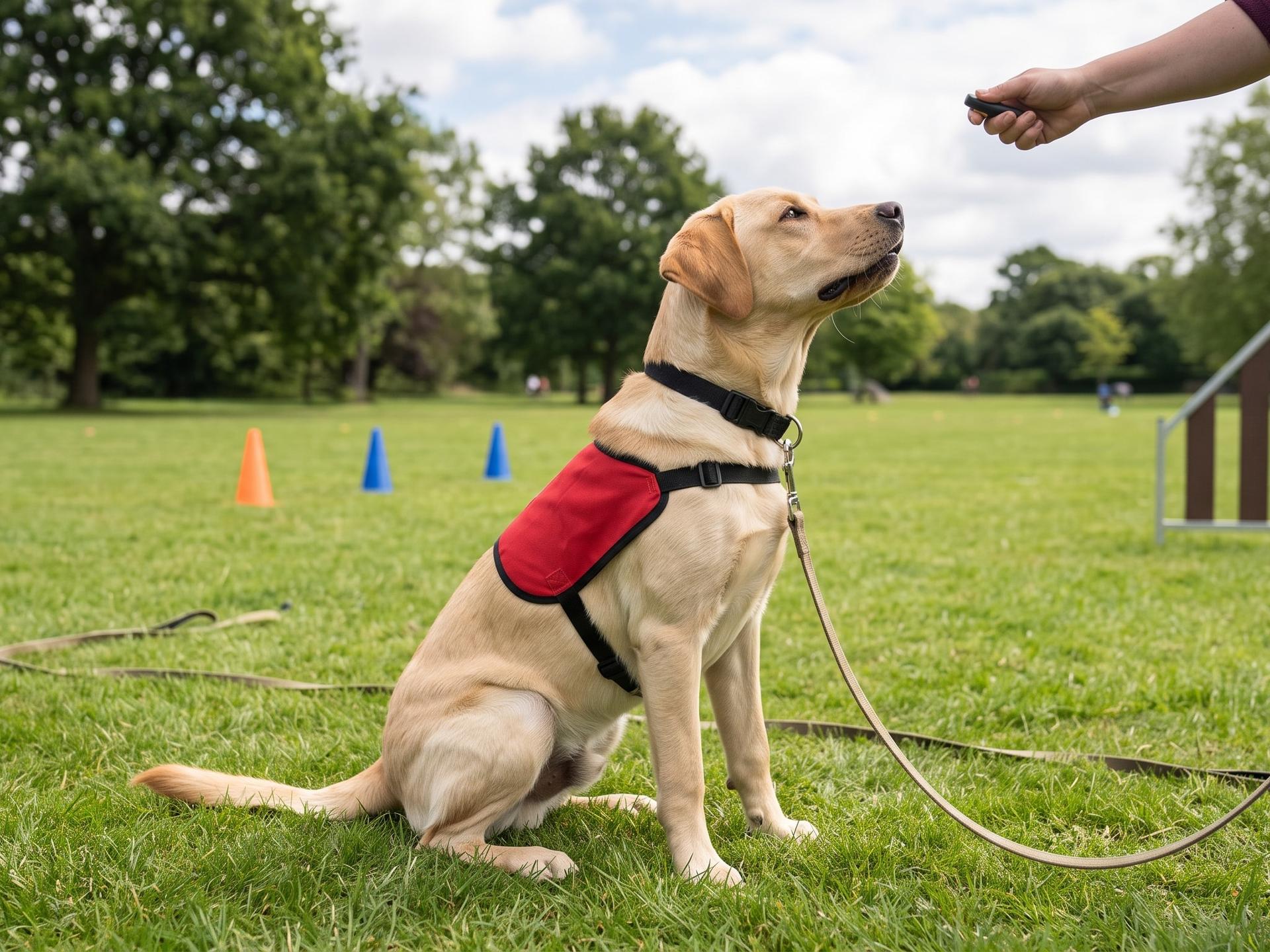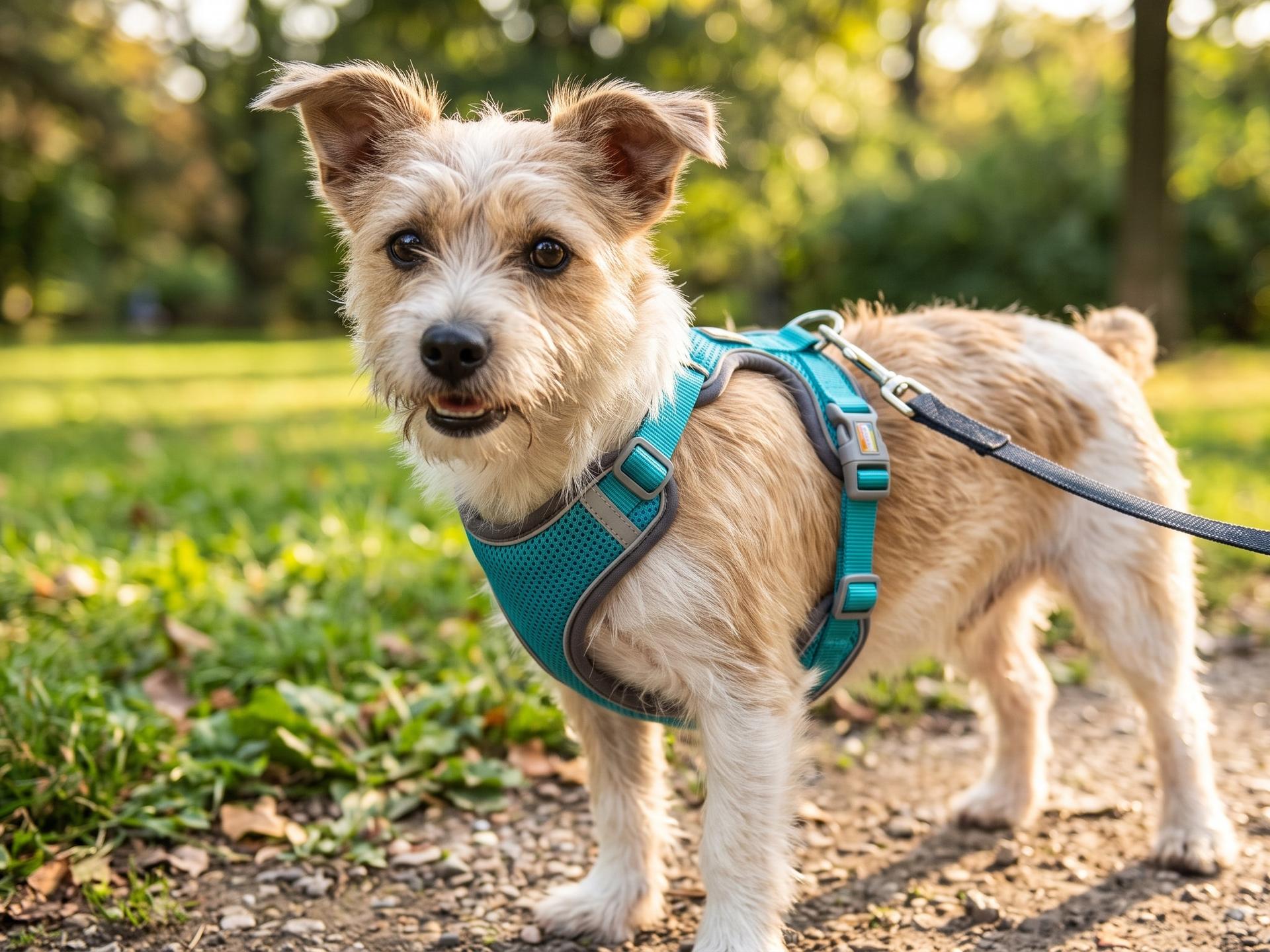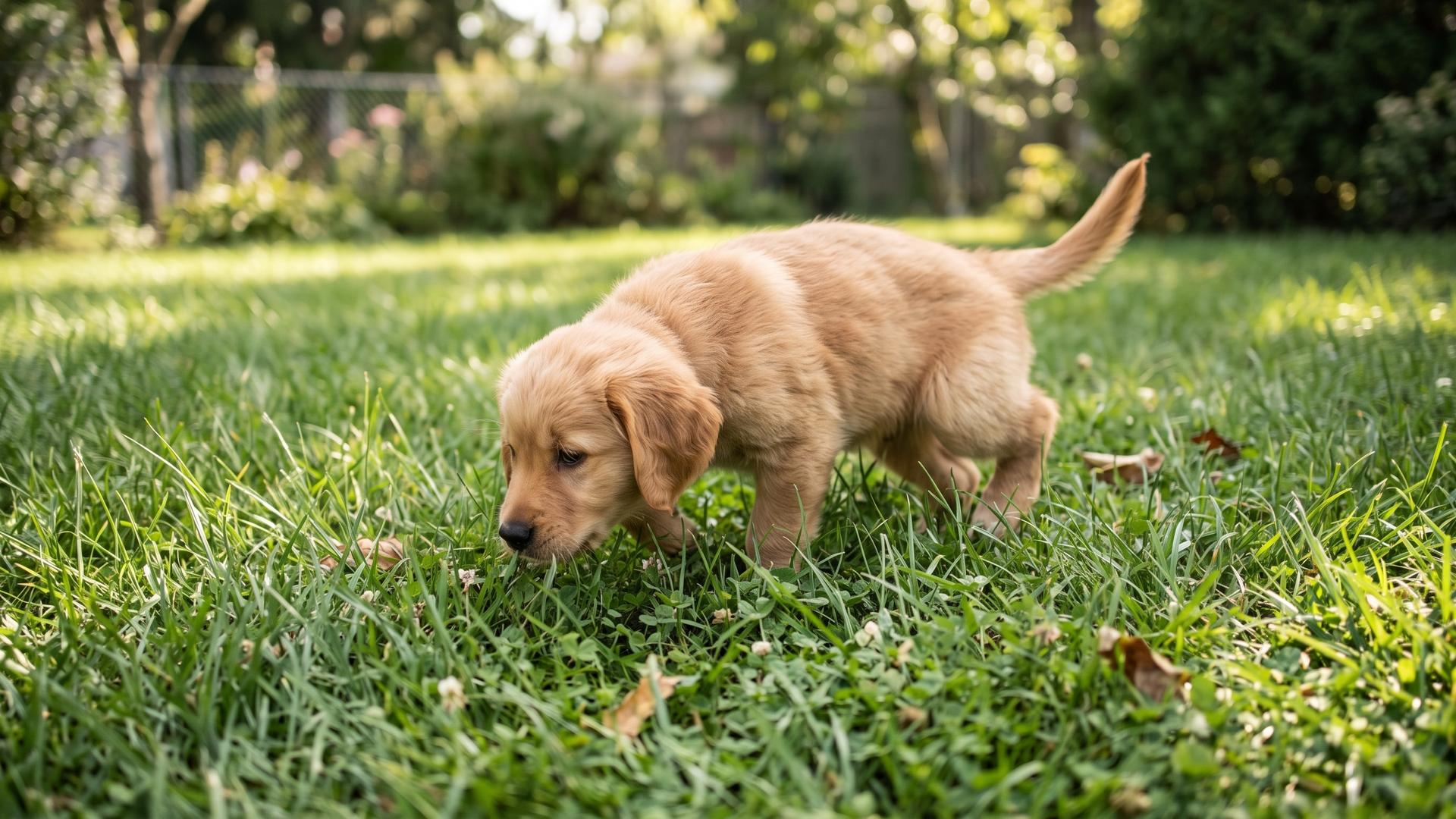
Potty training is one of the first big milestones in life with a new puppy. It can feel frustrating at times, but with patience, consistency and the right setup, it’s completely manageable.
Puppies aren’t trying to make mistakes. They’re learning how the world works, one routine at a time. Here’s everything you need to know about potty training your puppy.
When to Start Potty Training
The good news is you can start potty training as soon as your puppy comes home.
Young puppies have small bladders and limited control, so frequent bathroom breaks are essential. Most puppies need to go out after waking up, eating, playing or drinking water. Starting early helps establish habits that stick.
Create a Consistent Routine
Routine is the foundation of successful potty training.
Take your puppy out at the same times each day and always bring them to the same spot. Familiar smells help signal what they’re supposed to do. Praise them calmly when they go outside. Positive reinforcement helps your puppy understand they’ve done the right thing.
Consistency also applies indoors. Feed your puppy at regular times and monitor water intake, especially before bedtime. The more predictable the schedule, the faster your puppy will learn.
Learn Your Puppy’s Signals
Puppies often give subtle signs when they need to go.
Sniffing the floor, circling, pacing or suddenly walking away from play can all be signals. Paying attention to these cues allows you to act before an accident happens. Over time, you’ll start to recognize your puppy’s personal patterns.
If you enjoy learning about how dogs communicate and connect, explore our other blogs, including “Why Dogs Tilt Their Heads: The Adorable Behavior Explained”, for a deeper look into their behavior signals.
Handling Accidents Calmly
Accidents are part of the process. When they happen, stay calm. Clean the area thoroughly to remove scent traces, which can encourage repeat accidents. Avoid punishment. It can confuse your puppy and create anxiety around potty time. Redirecting and reinforcing good behavior is far more effective.
Crate Training and Potty Training
Crate training can support potty training when used properly. Dogs naturally avoid soiling their sleeping area. A crate should be comfortable and appropriately sized, just large enough for your puppy to stand, turn and lie down. Never use a crate as punishment. It should feel like a safe, calm space.
Nighttime and Potty Training
At night, puppies may need at least one bathroom break depending on their age. Keep nighttime trips quiet and brief. Avoid play or excitement so your puppy learns that nighttime potty breaks are strictly for business.
How Long Does Potty Training Take?
Every puppy is different. Some learn quickly, while others need more time. Most puppies show significant improvement within a few weeks, but full reliability can take several months. Patience and consistency make all the difference.
Set Your Puppy Up for Success with Eva
Potty training is about more than routines. It’s also about building trust and communication with your puppy. At Eva, we offer thoughtfully chosen puppy essentials that support comfort, structure and everyday learning.
With the right guidance and care, potty training becomes just another step in a happy life together!
Every figure is an estimate. Set the inputs to match your dog.
- First year, estimated
- $3,956
- One-time
- $1,260
- Recurring in year one
- $2,696
- Each year after
- $2,696
One-time
$1,260 estimated- $75CrateCategory: Sleep and crate
A wire or travel crate sized for a medium dog.
- $70BedCategory: Sleep and crate
One washable bed. Puppies often need a second after teething.
- $55Harness and leashCategory: Walking
A fitted harness, a 6 ft leash, and a collar for the ID tag.
- $30BowlsCategory: Feeding
A food bowl and a water bowl, stainless or ceramic.
- $320First vet visits and vaccinesService
Three puppy visits with the core vaccine series and a fecal test.
- $380Spay or neuterService
A private clinic price. Low-cost clinics run well under this.
- $50MicrochipService
Chip and registration. Many shelters include it.
- $175Training classService
A six-week group puppy class.
- $55Starter toysCategory: Toys and enrichment
Three to five toys of different textures to start.
- $50Grooming kitCategory: Grooming
A brush, nail clippers, and a gentle shampoo.


Recurring, per year
$2,696 estimated- $730Food (kibble)Category: Feeding
Kibble at about $2 a day for a medium dog, 365 days.
- $180TreatsCategory: Feeding
Training treats and a few chews a month.
- $300Flea, tick, and heartworm preventivesCategory: Health
Twelve months of combined preventives dosed by weight.
- $486Insurance premiumService
An accident and illness plan with a mid-range deductible.
- $480GroomingService
6 professional visits a year at about $80 each.
- $70Poop bags and cleanupCategory: Potty and cleanup
Bags for two or three walks a day plus an enzyme cleaner.
No curated product for this size yet.
- $180Toys and chews replacementCategory: Toys and enrichment
Replacing worn toys and a chew or two a month.
- $270Routine vet careService
One wellness exam a year with boosters and a heartworm test.


Assumptions
- Every figure is an estimate in US dollars at 2026 prices, rounded to the dollar.
- Average: goods and services scaled by 1.
- Emergency care is not included. Insurance or a savings cushion covers it.
- Product prices below come from the catalog and can differ from the line estimate.
Sign up to save these picks to a Puppy List and prefill the inputs from your dog's profile.