Training your dog isn’t just about teaching them to sit or stay, it’s about building communication, trust and a happy life together. Every dog learns differently, and different training approaches can help you address unique personality traits, energy levels and real-world situations.
If you’re bringing a new puppy home or working with an older dog, understanding the main types of training can make the journey smoother and more enjoyable for both of you.
#1. Positive Reinforcement Training
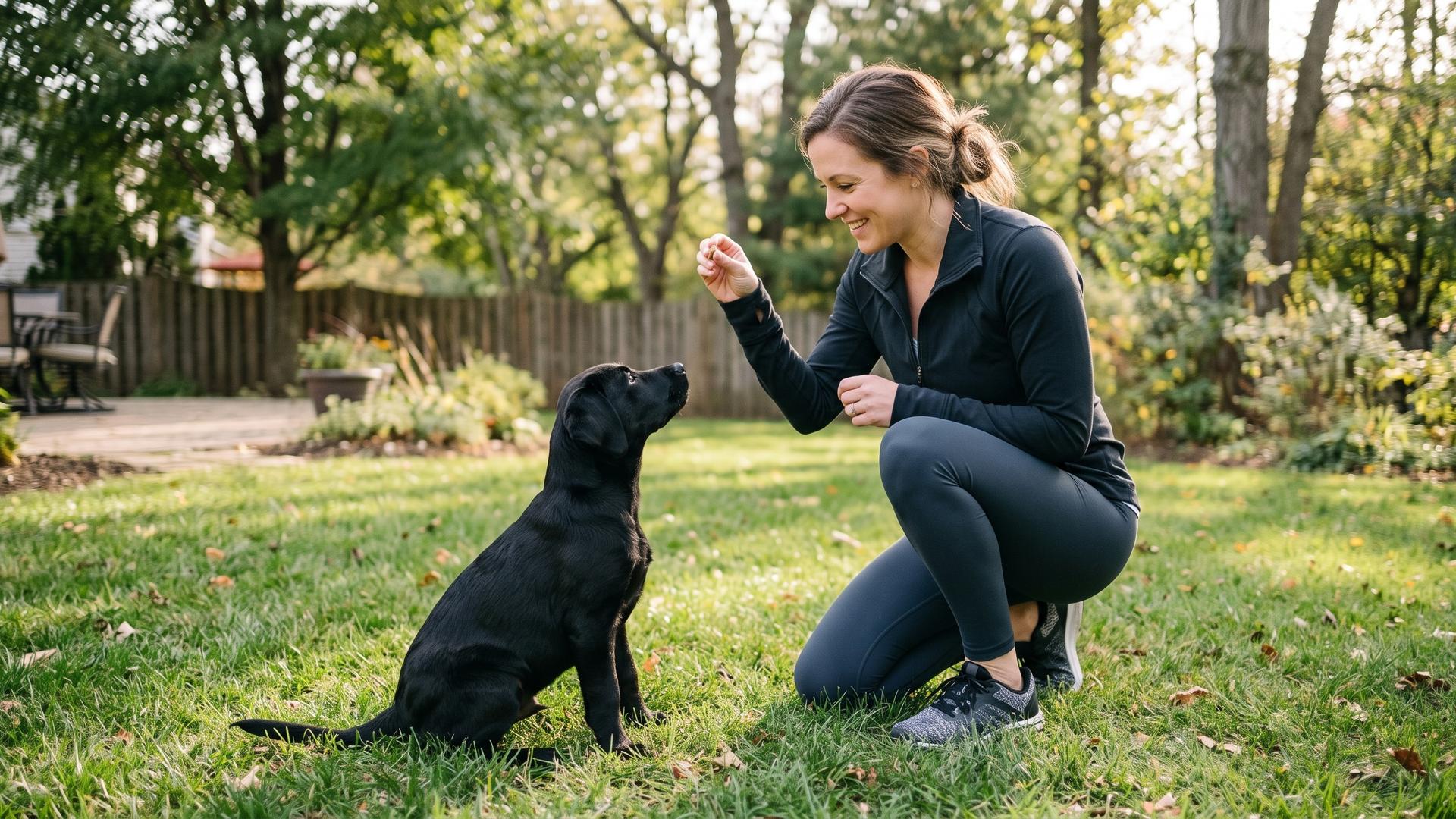
Positive reinforcement is one of the most popular and effective training methods today. It’s all about rewarding good behavior instead of punishing mistakes. Things like treats, praise and play become positive associations your dog wants to repeat.
For example, when your dog sits on cue and gets a reward, they learn that “sit” means good things happen. This builds confidence and strengthens your bond.
Most modern trainers and behaviorists recommend this approach because it’s gentle, clear and enjoyable for dogs of all ages.
#2. Clicker Training
Clicker training is a form of positive reinforcement that uses a small handheld device that makes a “click” sound. The click marks the exact moment your dog does the right thing. The sequence typically looks like this: click, treat, repeat.
What makes clicker training so effective is precision. Dogs quickly pick up on the sound and connect it with the reward. This method shines for teaching tricks, obedience cues and even complex behaviors you might want at home or in public.
#3. Lure-Reward Training
Lure-reward training uses treats or toys to physically guide your dog into a behavior.
For example, you might hold a treat above your dog’s head to guide them into a “sit.” When they complete the movement, they get the treat.
This approach works well for beginners because it gives immediate feedback. It’s also a great stepping stone before your dog fully understands verbal cues.
#4. Relationship-Based Training
Some dogs respond best when training focuses on the relationship between dog and owner. This style emphasizes understanding your dog’s motivation, body language and what makes them tick. Instead of strict rules, you build a partnership where your dog wants to work with you, not just respond to commands.
For dogs that are shy, easily stressed or highly sensitive, this approach can be especially effective. It creates trust and a calmer learning environment.
#5. Service and Task-Focused Training
Service and task-oriented training is for dogs that support humans in specific ways, like seeing-eye dogs, therapy dogs or dogs trained to notice medical changes. These dogs go beyond basic obedience and learn life-changing skills.
Training for tasks like retrieving medication, alerting to sounds or offering deep pressure requires consistency, high focus and often professional guidance.
It’s not just about commands, it’s about purposeful action that improves quality of life.
#6. Socialization Training
Socialization is often overlooked, but it’s one of the most important types of training a dog can receive.
Introducing your dog to people, places, sounds and other animals in a positive way helps prevent fear, reactivity or anxiety later in life. The first few months of a puppy’s life are especially important for social learning, though socialization benefits dogs at any age.
Healthy socialization is closely tied to emotional security. Dogs who feel safe and connected to their people are often more confident in new situations and environments. If you’re curious about how dogs form these emotional bonds, our blog “Can Dogs Miss Us? The Science of Separation and Attachment” explores how attachment influences behavior, confidence and responses to being apart.
Support Your Dog’s Training Journey with Eva
Every dog learns differently. Support their growth with Eva’s thoughtfully chosen essentials. Browse our collection to make training calmer, more rewarding and enjoyable for both of you!